
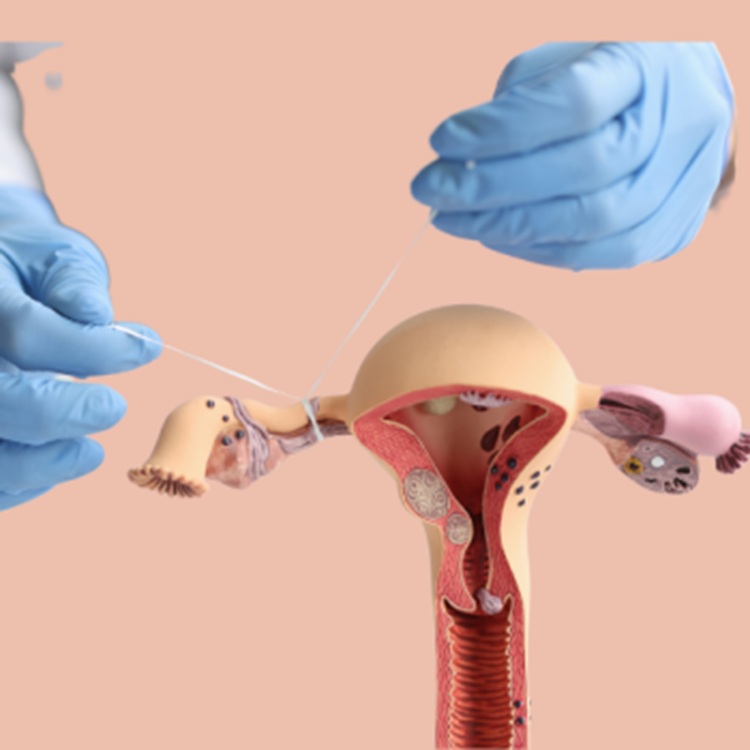
Tubal factors refer to problems or blockages in the fallopian tubes that can lead to infertility. The fallopian tubes play a vital role in reproduction, as they transport the egg from the ovary to the uterus and provide the site where fertilization by sperm typically occurs. When these tubes are damaged, blocked, or scarred, the egg and sperm may not be able to meet, making natural conception difficult or impossible.
Common causes of tubal damage include pelvic inflammatory disease (PID), sexually transmitted infections (such as chlamydia or gonorrhea), previous pelvic or abdominal surgery, and conditions like endometriosis. In some cases, fluid-filled blocked tubes (hydrosalpinx) can also interfere with implantation.
Diagnosis is usually made through imaging tests like hysterosalpingography (HSG), laparoscopy, or ultrasound. Treatment options depend on the extent of the damage and may include surgical repair, removal of severely damaged tubes, or assisted reproductive techniques like in vitro fertilization (IVF), which bypass the tubes entirely.
By identifying and addressing tubal factors early, couples have a better chance of finding the right treatment and improving their chances of a successful pregnancy.